
Few places in Africa deliver wildlife encounters with the immediacy and concentration of the Ngorongoro Crater. Formed by a collapsed volcano millions of years ago, this extraordinary natural amphitheater shelters one of the densest populations of large mammals anywhere on the continent.
Descending into the crater feels less like entering a park and more like stepping into a perfectly preserved ecosystem—where predators, herbivores, forests, lakes, and grasslands coexist within a dramatic, self-contained world.
This is one of Tanzania’s most breathtaking natural wonders.
Why Ngorongoro Crater is a Safari Icon
The Ngorongoro Crater’s uniqueness lies in both its geological scale and ecological richness. Encircled by towering caldera walls, the crater floor hosts an astonishing variety of wildlife, including lions, elephants, buffalo, hyenas, flamingos, and the critically endangered black rhinoceros.
Unlike many safari regions where sightings require extensive travel, Ngorongoro offers remarkable game viewing within a compact area. This creates a safari experience defined by density, diversity, and visual drama—ideal for first-time visitors and seasoned explorers alike.
Few destinations rival its consistency for Big Five encounters.
Wildlife Encounters Inside the Crater
The crater floor functions as a natural wildlife haven. Permanent water sources sustain year-round animal populations, while varied habitats support an exceptional range of species. Open grasslands provide hunting grounds for predators, while Lerai Forest shelters elephants and elusive leopards.
From large lion prides to vast grazing herds, the Crater delivers a safari narrative that feels continuous and alive at every turn.
Every descent reveals something extraordinary.
The crater floor functions as a natural wildlife haven. Permanent water sources sustain year-round animal populations, while varied habitats support an exceptional range of species. Open grasslands provide hunting grounds for predators, while Lerai Forest shelters elephants and elusive leopards.
From large lion prides to vast grazing herds, the Crater delivers a safari narrative that feels continuous and alive at every turn.
Every descent reveals something extraordinary.
How Ngorongoro Fits into Your Safari Journey
For many travelers, Ngorongoro Crater forms a defining highlight of carefully designed Northern Circuit Safaris, where its dramatic landscapes complement the vast plains of the Serengeti and the elephant-rich terrain of Tarangire National Park.
This combination creates one of Africa’s most celebrated safari routes—balancing scale, density, and ecological contrast within a seamless journey.
Best Time to Visit Ngorongoro Crater
Ngorongoro’s resident wildlife ensures excellent viewing throughout the year. However:
- Dry Season (June–October): Clear visibility, golden landscapes, high predator activity
- Green Season (November–May): Lush scenery, dramatic skies, exceptional photography
Seasonality affects atmosphere more than wildlife presence.
Experiencing Ngorongoro with Scenic Travel Gurus
Ngorongoro Crater safaris demand thoughtful timing, proper descent strategies, and knowledgeable guiding. Traffic patterns, wildlife movement, and viewing windows significantly influence the experience.
Scenic Travel Gurus designs crater journeys that prioritize flow, positioning, and immersion — ensuring guests encounter the crater’s extraordinary wildlife without feeling rushed or overwhelmed.
Because precision transforms a safari into an experience.
You may Explore
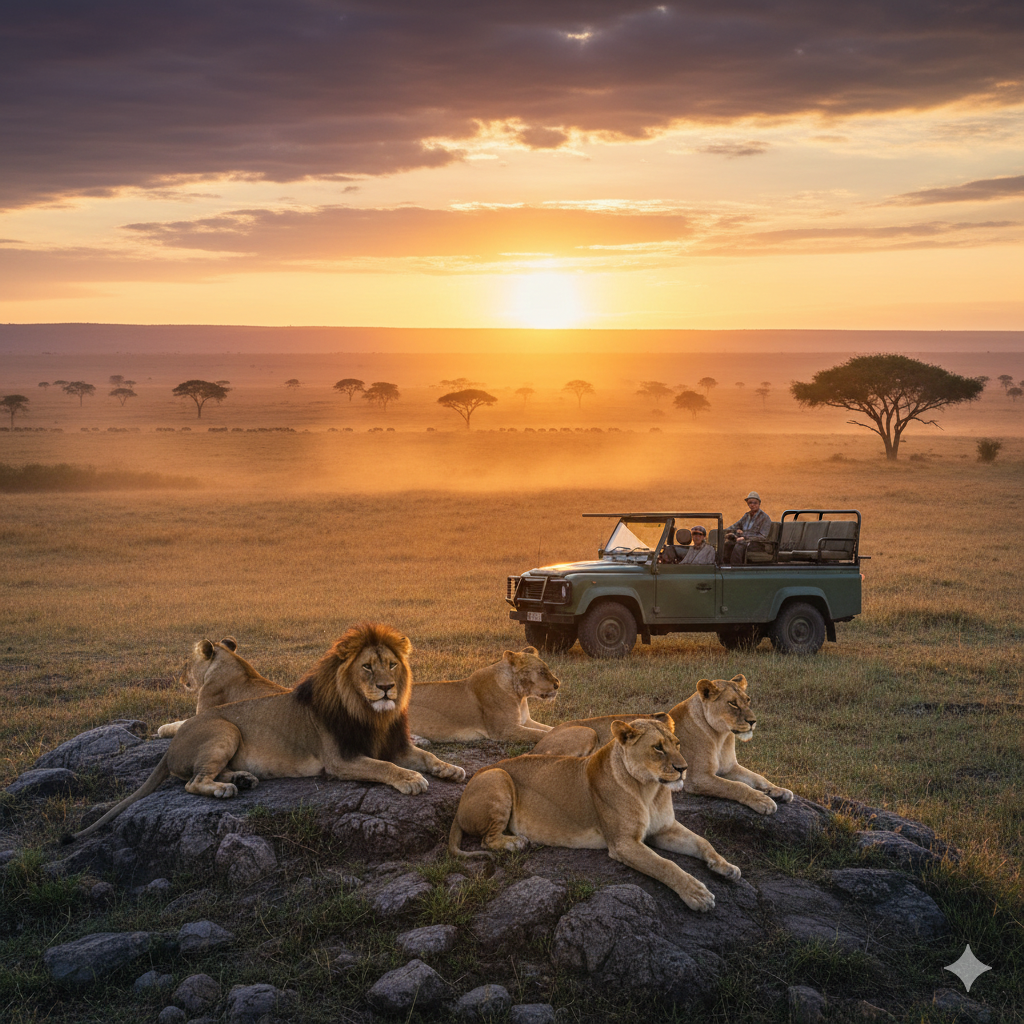
NORTHERN CIRCUIT SAFARIS
Home to the Serengeti, Ngorongoro, and the Great Migration. The definitive Tanzanian experience
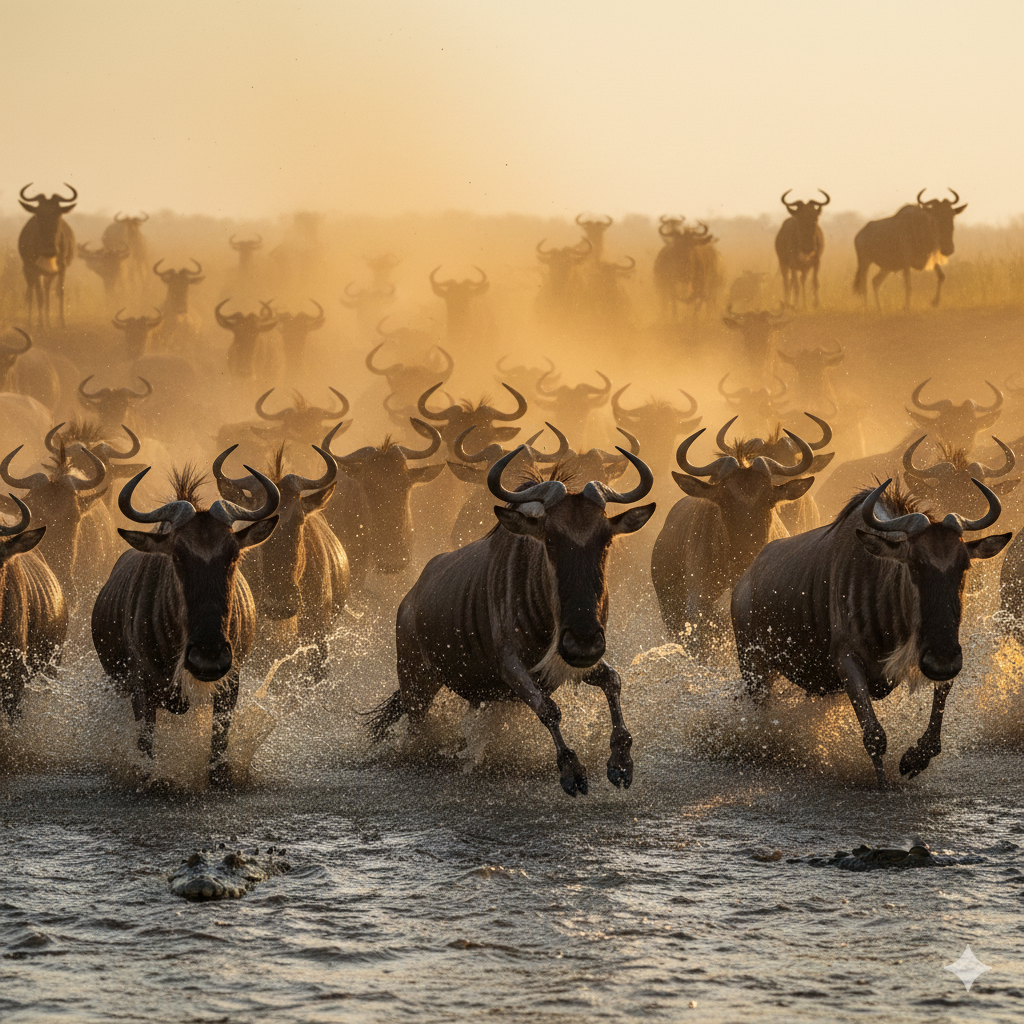
GREAT MIGRATION TOURS
A dedicated focus on the world’s largest overland migration