
The Serengeti is more than a national park—it is one of the last great natural theaters on Earth. Spanning vast, uninterrupted plains across northern Tanzania, Serengeti National Park embodies the raw, untamed rhythms of wildlife on a scale unmatched anywhere in the world.
Here, landscapes stretch beyond the horizon, predators rule ancient territories, and millions of animals move according to instincts shaped over millennia. Every moment in the Serengeti carries a sense of rarity, drama, and profound connection to the wild.
This is Tanzania in its purest form.
Why the Serengeti is Unlike Anywhere Else
Covering nearly 15,000 square kilometers, the Serengeti forms the beating heart of Tanzania’s Northern Safari Circuit and stands among Africa’s most celebrated conservation areas. Its name originates from the Maasai word Siringet—”the land that runs forever”—a description that feels strikingly accurate upon arrival.
Yet it is not only the scale that defines the Serengeti. It is the density of life, the predator-prey dynamics, and the ever-present sense that nature unfolds here without compromise.
Game drives are not simply excursions. They are encounters with one of the planet’s most intact ecosystems.
The Great Migration: Nature’s Greatest Movement
No spectacle in the natural world compares to the Great Migration. Each year, vast herds of wildebeest, zebras, and gazelles traverse the Serengeti in an endless, survival-driven cycle guided by rainfall and grazing patterns. River crossings, predator interactions, and dramatic herd movements create moments of extraordinary intensity.
But the migration is only one chapter of the Serengeti story. Many travelers choose to experience it within carefully curated Northern Circuit Safaris, where the Serengeti’s plains combine with extraordinary landscapes such as Ngorongoro Crater and Tarangire, creating a deeper and more varied wilderness narrative.
Wildlife Encounters Beyond the Migration
While globally known for migration drama, the Serengeti delivers exceptional wildlife viewing throughout the year. Predator density here ranks among the highest in Africa, with lions, cheetahs, leopards, and hyenas shaping daily survival across the plains.
Elephants roam the woodlands. Giraffes move gracefully across the skyline. Hippos crowd secluded river pools. Each region reveals a distinct ecological character, ensuring that no two safaris ever feel the same.
The Serengeti rewards patience, timing, and expert guiding.
Best Time to Visit the Serengeti
The Serengeti offers remarkable experiences year-round, with seasonal variations shaping the nature of sightings:
- Dry Season (June–October): Exceptional wildlife visibility, dramatic predator action, golden landscapes
- Green Season (November–May): Lush scenery, calving season, fewer vehicles, extraordinary photography conditions
Choosing the ideal travel window depends entirely on your priorities and itinerary design.
Experiencing the Serengeti with Scenic Travel Gurus
The Serengeti’s scale, wildlife movements, and regional diversity require more than a standard itinerary. Successful journeys depend on local intelligence, precise timing, and thoughtful pacing.
At Scenic Travel Gurus, we design Serengeti experiences that emphasize immersion rather than checklist tourism—aligning landscapes, wildlife dynamics, and comfort into a seamless narrative of discovery.
Because the Serengeti is not meant to be rushed. It is meant to be understood.
Begin Your Serengeti Journey
Whether your dream centers on the Great Migration, predator-rich plains, or a broader Northern Circuit adventure, your experience begins with expert planning.
You may Explore
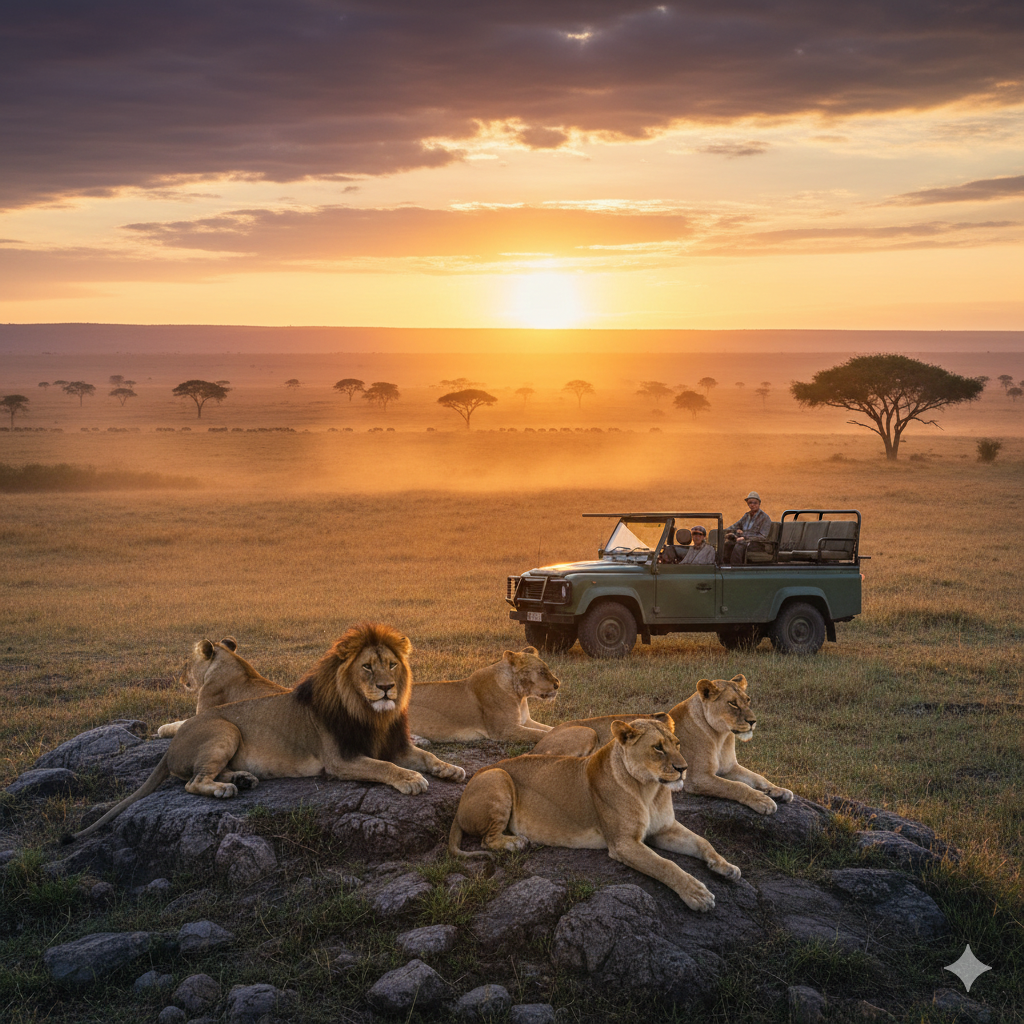
NORTHERN CIRCUIT SAFARIS
Home to the Serengeti, Ngorongoro, and the Great Migration. The definitive Tanzanian experience
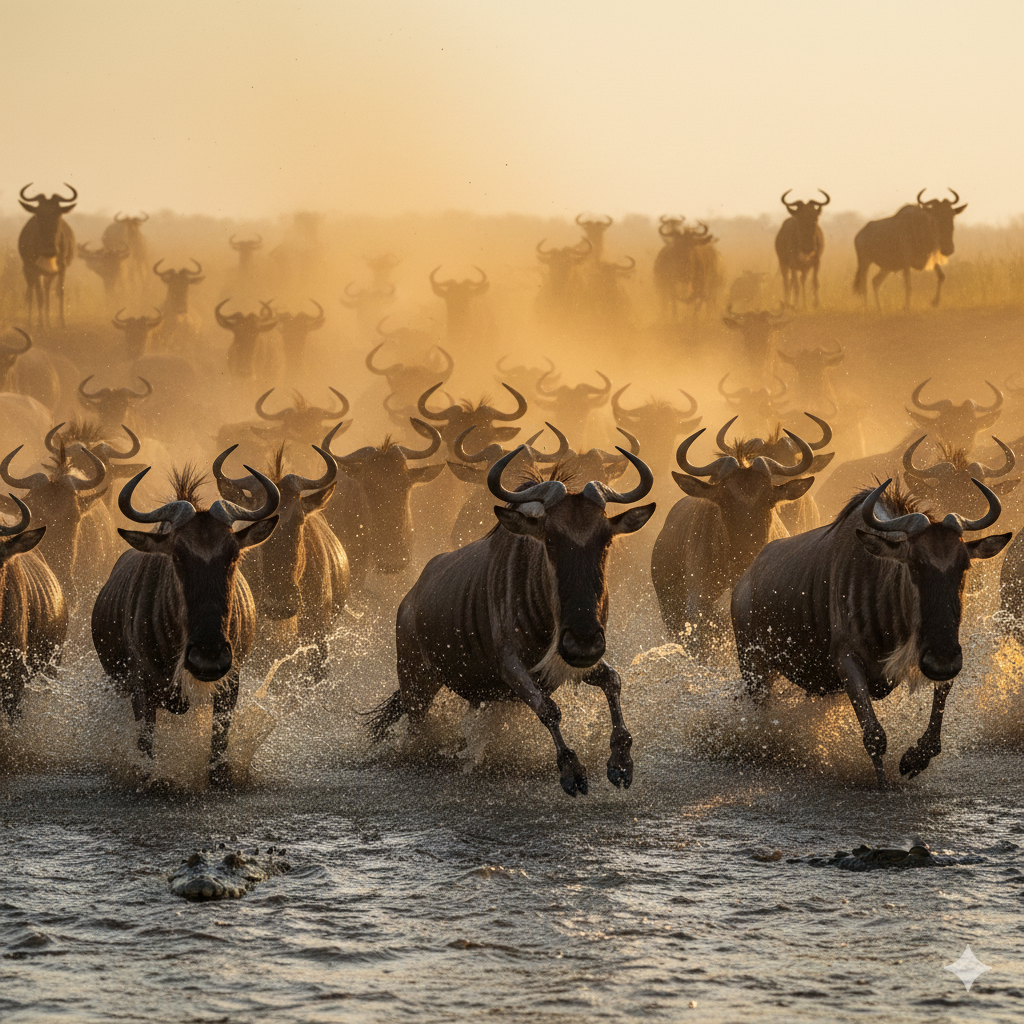
GREAT MIGRATION TOURS
A dedicated focus on the world’s largest overland migration